
As a qualified teacher I’ve experienced the huge benefits of mini whiteboards in the classroom. They can be used in countless ways from simply writing answers to a question to showing maths calculations or playing learning games to consolidate understanding.
In a classroom, mini whiteboards are an excellent tool for ensuring active participation from all children. They also help teachers to spot any misconceptions that individuals may have. They allow for a teacher to correct these misunderstandings without their mistake being obvious to others in the class.
In addition, they can be an alternative to verbally answering a question in class. This can help children who find putting their hand up to answer a question daunting, building their confidence and participation in the lesson.
But what about at home? Is there a use for them here?
I genuinely think there are many benefits for children of having a small whiteboard at home.

Firstly, whiteboards allow for increased parental involvement in learning. In my experienced activities such as spellings or maths calculations can be completed together using a whiteboard much easier than on a piece of paper.
Writing on a whiteboard is fun, informal and more sociable. Parents can sit with the child easily and be part of the child’s learning; helping to address misunderstandings there and then and discuss their learning together.

In my opinion, whiteboards can help children to improve their literacy and numeracy at home. Children are more inclined to want to write on whiteboards and try out more complicated activities, because it removes the anxiety surrounding making mistakes- as they can just wipe it clean and start again!
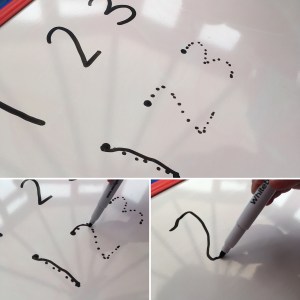
In terms of literacy, they are a fantastic tool for practising reading and writing. For younger children they are a fun and engaging method of perfecting letter formation; as well as writing and reading basic words.

Older children can benefit from using them for many activities too, including practising spellings, extended writing and correct punctuation.
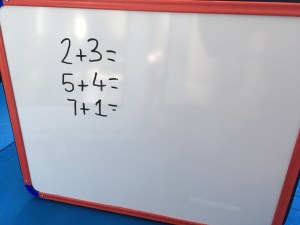
The same goes for numeracy, small whiteboards make an excellent space for trying out calculations together. It encourages children to attempt more complex sums together, bringing fun, challenge and competition to maths learning.
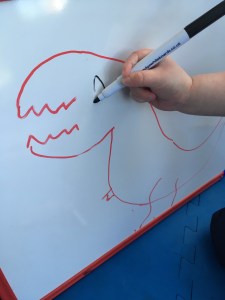
We’ve found that having a small whiteboard in the house has also encouraged creativity. It’s a novel and fun medium for children to experiment with pen control, drawing and colouring.
Small whiteboards can also be a brilliant way of improving a child’s organisation. For example, they can be used a reminders to remember their PE kit, to do lists or a way of communicating tasks/chores that need to be completed.
I was delighted to discover Wedge Whiteboards, who create and supply whiteboards for home, school and commercial use.
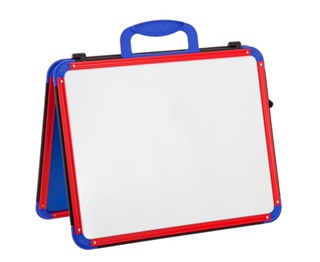
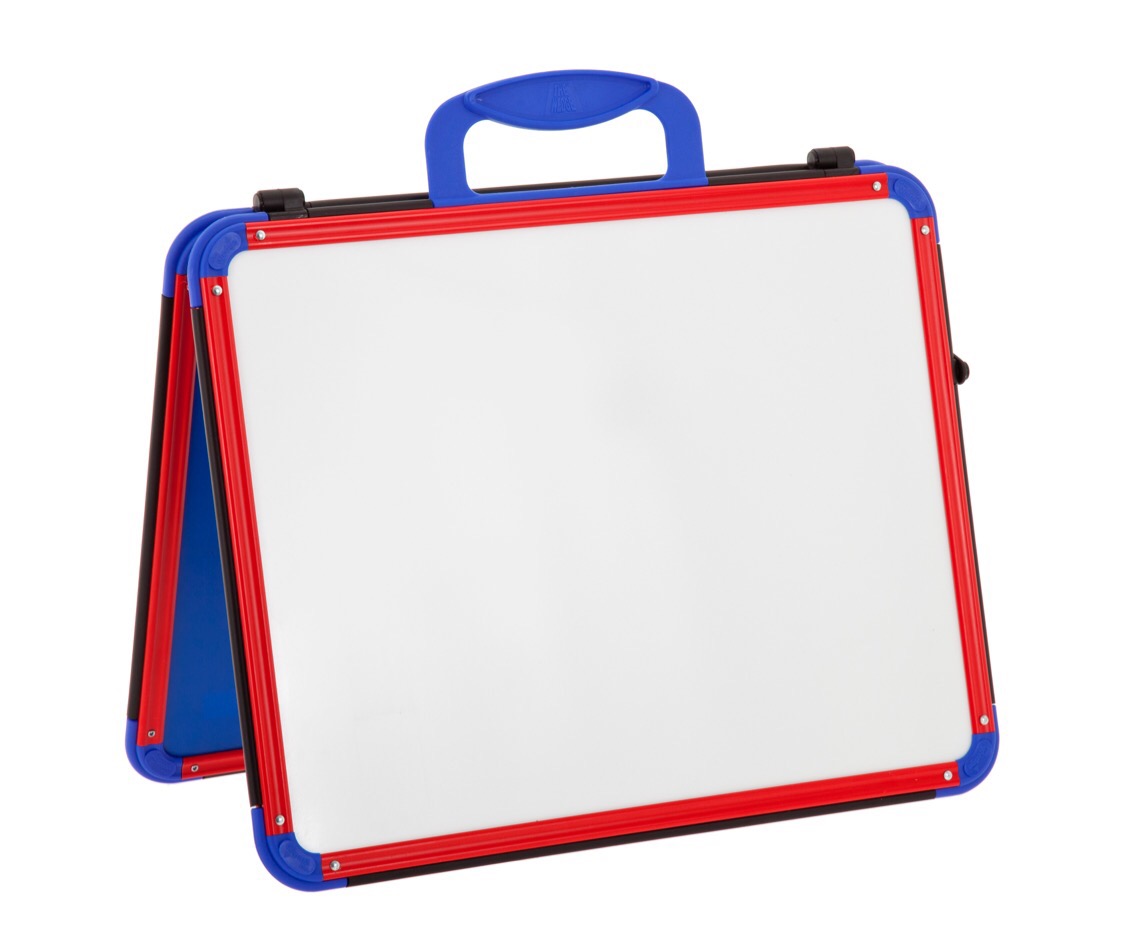
Their whiteboards are supplied in a range of colours, designs and sizes. Their clever wedge shaped design ensures that the whiteboards can stand up unsupported at an angle.
We found that having a Wedge Whiteboard is fantastic for siblings or friends who want to draw/write together; because they have a side each!
Wedge Whiteboard’s website can be found here.
—
*Wedge Whiteboards kindly sponsored this blog post and we received a wedge whiteboard for the purpose of providing this blog post. All thoughts and opinions are our own.


 The SEN Resources Blog
9 responses to “How Do Children Benefit From Having Small Whiteboards at Home?”
Sounds brilliant. They are great aren’t they. Surprising how much kids love them as well. Love that it’s helping with his learning, that’s great. Is he using it for writing mainly? Or other activities?
LikeLike