
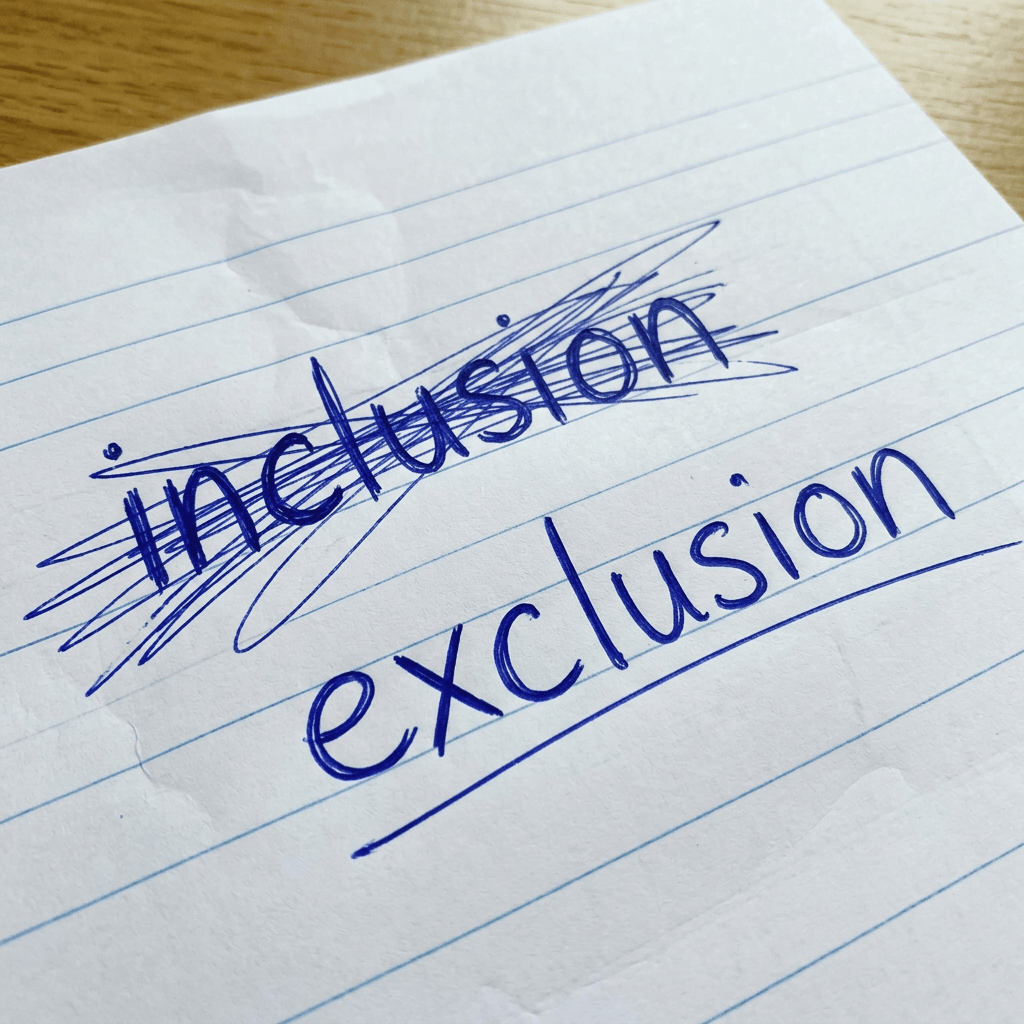
I’ve been thinking about inclusion a lot recently (unsurprisingly!). I’ve been wondering not what inclusion is, but more whether it’s actually possible to measure it.
With inclusion becoming an increasingly important part of conversations around school improvement and accountability (which is great!), and with Ofsted placing a greater emphasis on how well schools meet the needs of all learners, this question feels more important than ever.
The intention of measuring inclusion is absolutely the right one. We should be talking about inclusion. We should be looking closely at the experiences of children and young people with SEND. But it does make me think whether ‘inclusion’ itself is something that can actually be measured.
When inclusion is done well, shouldn’t it almost be invisible?
What I mean by that is this. If every child feels they belong, if every voice is heard and if needs are understood and supported, would someone walking into the school necessarily notice?
Unless they already knew which children had SEND and which didn’t, would they see examples of “inclusion”, or would they simply see children learning, participating and feeling part of their school community?
Despite schools having to write inclusion strategies by the end of this year and being judged on inclusion as part of the enhanced focus by Ofsted, inclusion, by its very definition isn’t a stand-alone feature; it’s something that should be woven through a school’s culture and ethos. And the evidence is perhaps reflected in relationships, attitudes and everyday decisions.
The most inclusive schools I’ve seen don’t necessarily spend lots of time talking about inclusion. They simply live it.
That got me wondering whether what we often call measuring inclusion is actually measuring exclusion.
Think about the things we commonly track:
- Attendance and persistent absence
- Exclusions
- Academic achievements
- Progress
- Behaviour
- Complaints and concerns raised by families
- Children whose needs aren’t being met effectively
Don’t get me wrong, these measures definitely matter. They tell us something important. And they can also help us identify where our education system is not working for some children and young people.
But are they measures of inclusion? Or are they indicators of exclusion?
I’m not convinced they’re the same thing.
This is where I find myself wrestling with the concept of inclusion as a criterion against which schools are judged. Of course inspectors need evidence. Schools need accountability. Families need reassurance that children with SEND are genuinely included and not simply accommodated. However, when we look for evidence, we often end up looking for problems. We identify the children who are struggling, the barriers that exist and the areas where support is not working well enough.
That’s important work, but it tells us where exclusion exists. It doesn’t necessarily tell us what inclusion feels like. Because inclusion is more than the absence of exclusion.
Attendance can be measured. Exclusion rates can be measured. Progress data can be measured.
Are we instead looking to measure belonging?
In which case, maybe we need to look at how we measure if a child feeling safe enough to ask for help? How we measure children feeling understood, valued and accepted? And how we can capture the confidence that comes from knowing you are a genuine part of your school community?
Some of the most inclusive things I’ve seen in schools would never appear in a data set or inspection report.
They are things like – the teaching assistant who instinctively knows when to step back. The friendship group that naturally adapts so everyone can join in. The teacher who anticipates and removes a barrier before it becomes a problem. The learner who feels confident enough to be completely themselves.
I’d argue these are what sit at the heart of inclusion.
So perhaps we’re asking the wrong question.
Instead of asking, “How inclusive are we?”, maybe we should be asking:
- Who still feels excluded?
- Why?
And most importantly:
- What are we going to do about it?
I think this distinction becomes increasingly important. We should absolutely continue identifying where children are being let down. We should challenge barriers, tackle inequalities and listen carefully when families tell us something isn’t working.
But let’s not confuse measuring exclusion with measuring inclusion. The two are closely linked, but they are not the same thing.




You must be logged in to post a comment.