

Autism is ‘a lifelong developmental disability which affects how people communicate and interact with the world ‘ (The National Autistic Society). Every child is unique and therefore every autistic child will have their own, individual strengths and challenges. Both girls and boys can be autistic.
Early identification and support for autistic children is really important. In terms of identification, autistic children may have:
- Difficulties with Social communication/interaction – This may include finding eye-contact uncomfortable, taking things literally, finding group conversations tricky, always being honest (a huge strength, but it can be misinterpreted for being rude) etc. Importantly, any support we give autistic children with social skills and social interaction must be neuro-affirming. That is to say, we must not try to make a child ‘more neurotypical‘. (read what neurotypical means here).
- Sensory Processing Differences – Autistic children may be over/under-sensitive to light, sound and /or touch, for example.
- Anxiety – Over one third of autistic people have serious mental health difficulties (National Autistic Society)
- Meltdowns/Shutdowns – If an autistic child becomes overwhelmed they may have a meltdown or a shutdown. A meltdown can often be mistaken for a tantrum, meltdowns are not tantrums as the child has no control over it. Meltdowns can be verbal and /or physical. Shutdowns are also a result of being overwhelmed and equally as hard for the autistic child as a meltdown. An autistic child having a shutdown may appear very quiet, very still and may temporarily lose their ability to communicate.
- Repetitive/restrictive behaviours – Repetitive behaviours (also known as ‘stimming’ or self-stimulating behaviour) can include hand flapping, jumping, rocking etc. They may help an autistic child if they are feeling stressed, it might be enjoyable for them or it may be that an autistic child stims to reduce/increase sensory input.
- Special interests – Many autistic children have special interests. These could be anything for example animals, space, dinosaurs or a certain TV programme. An autistic child may have a special interest for a long time, or their special interest can change over time. For lots of autistic children, their special interests provide comfort, enjoyment and relaxation and are as such, very important.

If you think that your child may be autistic, speak to your school’s Special Educational Needs and Disabilities Coordinator (SENDCo) and /or your GP. They can provide advice and may refer your child for an assessment to see if they are autistic.
Other Relevant Blog Posts to read:
Latest Blog Posts
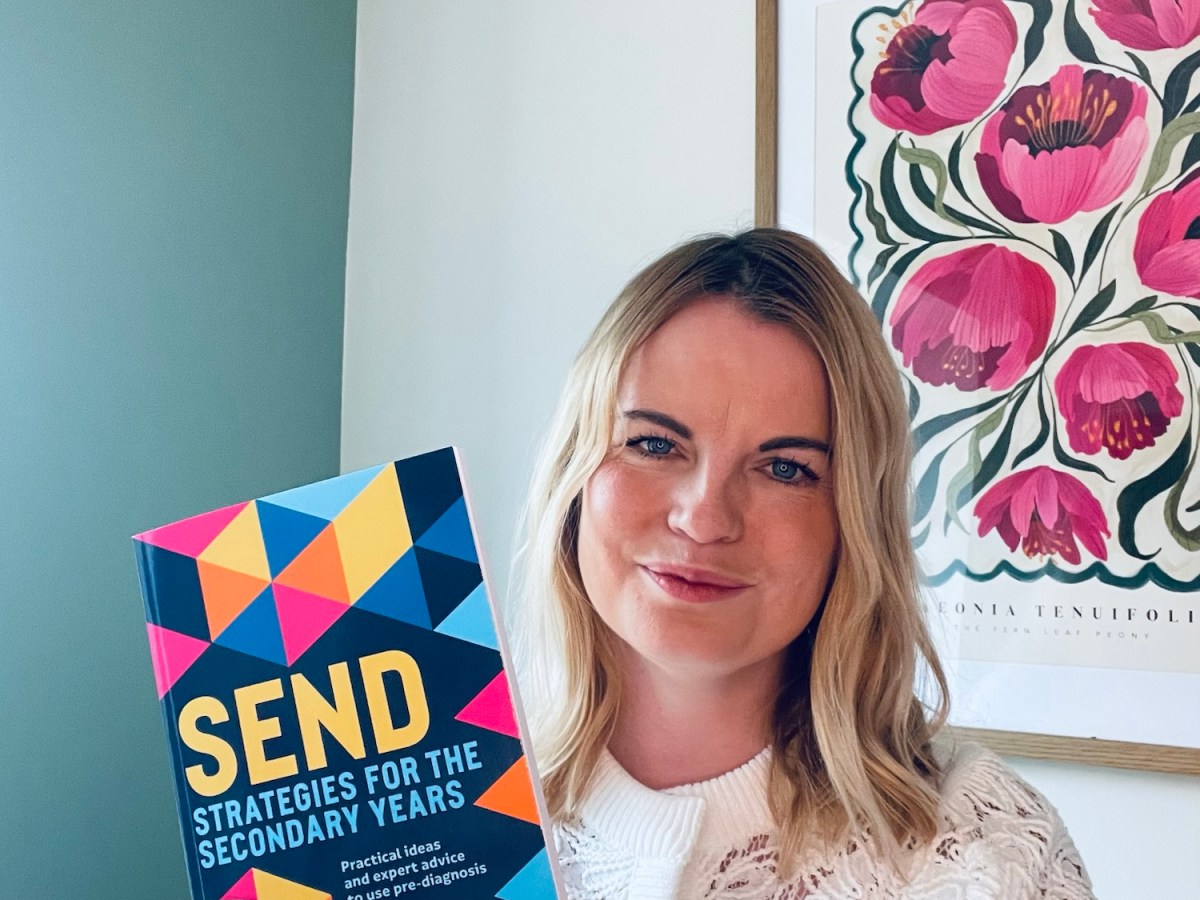
Publication Day: SEND Strategies for the Secondary Years Is Out Today!
SEND Strategies for the Secondary Years – by Georgina Durrant, published by Bloomsbury

My thoughts on The Pen Licence
The Pen Licence A pen licence is a classroom rule that some schools continue to defend Only children with the neatest writing earn the right to “use a pen.” It sounds like harmless motivation, a little prize to help them try but it accidentally draws a line between who’s lifted up and who’s left behind…
SEND & Inclusion- Getting it Right
(For the child whose teachers, SENDCO and parents shouldn’t have to fight ) By Georgina Durrant No bells that startle, no crowded halls,Just soft hellos and gentle calls.The day begins when each child’s ready,Not rushed, but welcomed calm and steady. Uniforms flex to meet each needNo battles over what to heed.A hoodie, joggers, favourite shoesBecause…

 The SEN Resources Blog
You must be logged in to post a comment.