

A while back I posted on my facebook page about hyperlexia (and hyper-numeracy) and received quite a few messages asking for more information. So here’s a blog post! I should add that currently in the UK a child can’t get an official diagnosis for hyperlexia/hypernumeracy. It’s not within the DSM-5.
What is Hyperlexia?

Hyperlexia is often a fascination with letters. Every once in a while you may spot on the news or social media about an amazing child who’s very young and can recite the alphabet (possibly in a few languages!) or a child who has taught themselves to read when they are a toddler! You may even parent/teach a child who has been reading since a very young age. Or you may be thinking ‘wait…that was me!’. I’m not going to generalise and say these children all have hyperlexia ( I’m not qualified to do that, we shouldn’t make assumptions and I don’t know the children!), but instead, here’s some further information about hyperlexia:
- Children with hyperlexia, in my experience, have usually taught themselves how to read before they are school age. So before aged 5.
- Their ability to read and/or write is well above the ‘average’ level for their age.
- Children with hyperlexia may access the world through written words and letters. They may prefer to play with books, letter tiles etc instead of more ‘traditional’ toys.
- As languages are organised systems children who are hyperlexic may also be interested in other organised systems such as the periodic table, timelines/dates and numbers*(*for numbers, see hyper-numeracy)
How can you support a child who is hyperlexic?
You might be thinking, “What? Why do they need extra support? They are brilliant at literacy!’”..unfortunately it’s not always that simple. Yes, they are likely to have an amazing talent with their reading and/or writing but this can bring with it some difficulties too. Here’s some ways to support hyperlexic children (obviously every child is unique, so not all these strategies will be suitable – be guided by the child)
- Comprehension tasks – Children with hyperlexia may need extra help with comprehension tasks, that is – being able to understand fully what they’ve been able to read.
- Suitable reading material and challenge – Find books and resources that are age appropriate but suitable for their reading ability.
- Visuals – Some children with hyperlexia may find written language much easier to understand than spoken language. As a result they may need further support with verbal information. One way to help is to use visuals (pictures) and words to support spoken instructions. They may also need more concise instructions and extra processing time when they are given verbal instructions.
- Language Skills – Support children with their expressive and receptive language skills. (Receptive lanugage skills are all about being able to understand what has been said)
Is it related to autism?
In my experience, some autistic children may be hyperlexic. But being hyperlexic does not mean they are autistic. There’s also a theory that there’s three types of hyperlexia with “hyperlexia II’ being the type linked to autism.
What is Hyper-numeracy?
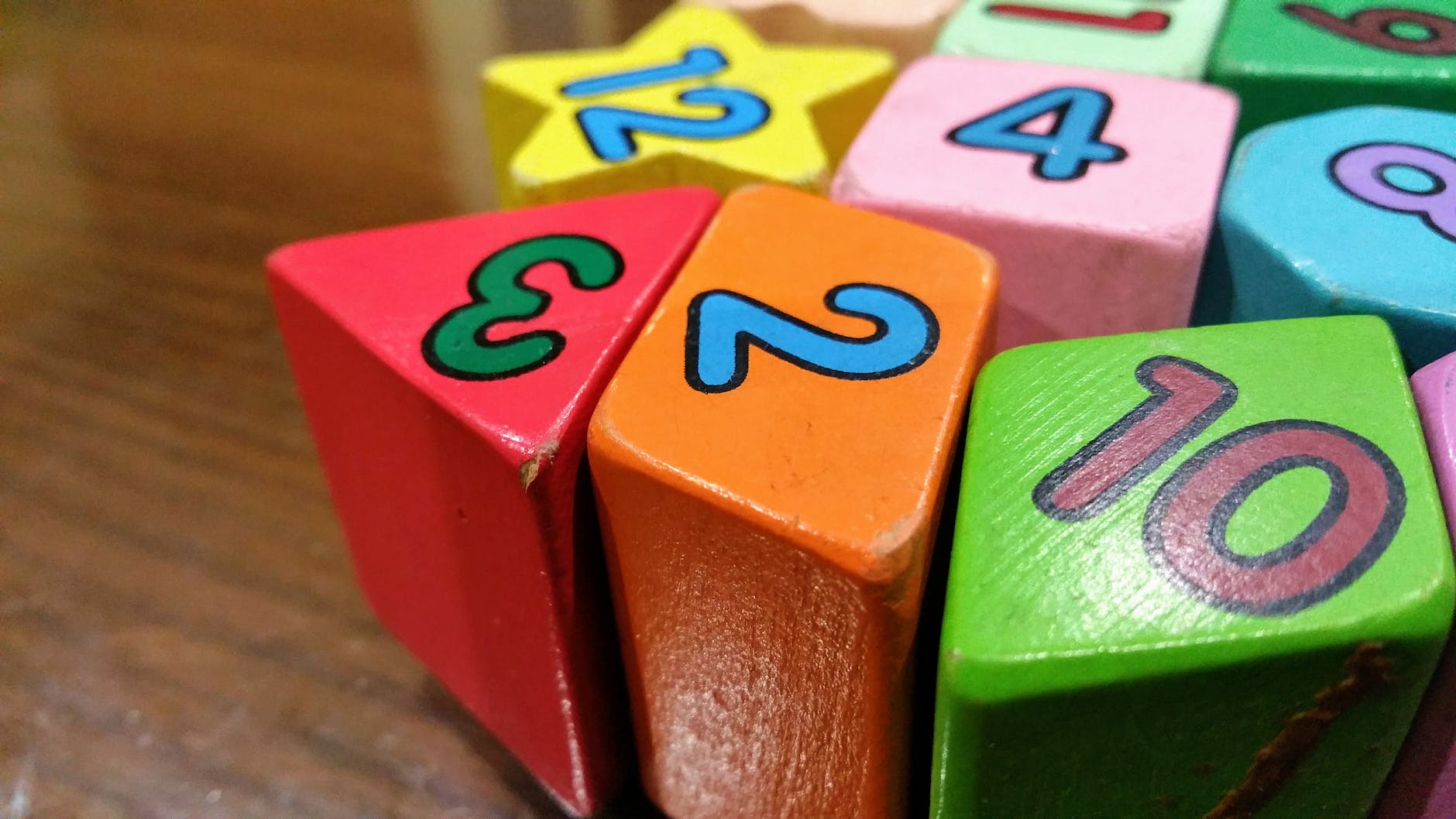
Hyper-numeracy is like hyperlexia but for numbers! A child may be fascinated with numbers, ‘think in numbers’ , want to play with number related toys and resources and be absolutely brilliant at maths, well above what they ‘should’ be able to do for their age.
Can children with hyper-numeracy face any challenges with maths/numeracy?
- Showing working out – this can cause problems in exams and assessments where they may get additional marks for showing how they arrived at an answer.
- Using different ways to work out maths problems – can cause confusion and frustration if they already have a way of working out the correct answer.
Is it related to autism?
Again, in my experience, some autistic children may be hypernumeric. But being hypernumeric does not mean they are autistic.
Further info?
Visit this brilliant website ‘And Next Comes L’
Follow Hyperlexia_in_UK on Twtter: https://twitter.com/Lolly2811
Best maths resources for primary aged children
Best phonics resources for primary aged children
My book on ‘How to Boost Reading and Writing Through Play‘


Follow me on social media:
Please share your experiences of hyperlexia and hypernumeracy in the comments!

 The SEN Resources Blog
One response to “What is Hyperlexia (and Hyper-numeracy) ?”
I believe my son to be hyper numeric. His passion and ability for numbers is second to none. I’ve just written my own blog post about this and am now trying to find out as much as possible about it in order to help him. Thanks for this post.
LikeLiked by 1 person